×
×
×
×
The entry of the Lucknow team into the competitive landscape of professional sports was not merely an expansion—it was a strategic market disruption. Within a remarkably short period, the franchise moved from a blank slate to a formidable contender, creating an avid fanbase and establishing a sustainable commercial model. This trajectory is a testament to […]
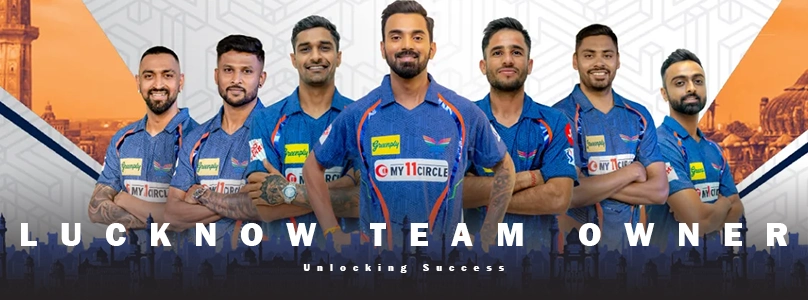
The entry of the Lucknow team into the competitive landscape of professional sports was not merely an expansion—it was a strategic market disruption. Within a remarkably short period, the franchise moved from a blank slate to a formidable contender, creating an avid fanbase and establishing a sustainable commercial model. This trajectory is a testament to the visionary leadership of the Lucknow team owner, whose approach blends traditional sporting passion with cutting-edge business strategy. Their success is rooted in an intentional blueprint that prioritized three core areas: immediate cultural resonance, data-driven roster construction, and advanced digital monetization.
This analysis unpacks the critical strategic pillars that the Lucknow management employed, illuminating how they effectively unlocked success both on the field and within one of the most passionate sporting markets in the world.
Unlike many expansion teams that adopt a generic, corporate identity, the Lucknow owner immediately focused on establishing a deep, authentic connection to the Avadhi region’s unique cultural heritage. This move was critical for securing immediate fan loyalty, transforming casual interest into fierce devotion.
The strategy recognized that in Lucknow, sports are intertwined with the city’s identity, known for its history, elegance, and distinct traditions.
The initial branding decisions were hyper-localized. The choice of team name, colors, and slogans was meticulously engineered to evoke pride in the city’s rich “Nawabi” history. This wasn’t superficial branding; it was an investment in cultural capital. By clearly defining the team’s identity as an extension of the region, the owner generated a strong sense of belonging and psychological ownership among the local population, turning them into passionate evangelists for the franchise.
A foundational step was the commitment to nurturing local talent and establishing state-of-the-art infrastructure. By investing in local academies and training facilities, the owner demonstrated a long-term commitment to the sport’s development within the state, rather than simply importing talent. This holistic approach ensured that the team felt like a true representative of the region, providing local aspiring athletes with a clear pathway to professional sports, which further solidified the fan base.
The most volatile period for any new franchise is its initial roster construction. The Lucknow owner’s team navigated this challenge with a measured, value-based approach, avoiding the common trap of overspending on aging, high-profile stars.
The strategy focused on acquiring a mix of two essential asset types:
Lucknow’s scouting department heavily utilizes data analytics to identify specific role-players who perfectly complement the team’s chosen tactical blueprint. Instead of relying solely on headline statistics, they evaluate players based on contextual performance indicators and their efficiency in high-pressure situations. This systematic, analytical approach minimized risk in the unpredictable environment of an expansion draft, allowing them to build a highly optimized, high-floor team from day one.
Success on the field must be matched by commercial viability off the field. The Lucknow owner recognized that in the digital era, fan engagement is the primary engine of revenue generation and brand growth.
The franchise adopted a digital-first content strategy, utilizing personalized social media content, live streams, and interactive campaigns to reach fans directly. Content was tailored to regional dialects and local cultural references, ensuring maximum resonance and shareability. This immediate, high-volume digital presence quickly built a national brand footprint.
Furthermore, leveraging the growing global interest in strategic sports engagement, the team explored partnerships that connect the digital fan experience to the game itself. For example, the availability of alternative strategic platforms like 24kbet.club caters to the demographic of fans who engage with the strategic and predictive elements of the sport. By acknowledging and integrating with the diverse ways modern audiences interact with competition—from fantasy leagues to prediction markets—the franchise ensures it remains relevant and monetizable across multiple revenue streams. This forward-thinking inclusion diversifies the revenue base beyond traditional gate receipts and static sponsorships.
The owner implemented dynamic pricing models for tickets and merchandise, using real-time demand data, match-up appeal, and opponent strength to maximize revenue yield per event. Simultaneously, the success and stable brand appeal allowed the management to command premium rates for strategic sponsorship deals, partnering with brands that align with the team’s image of speed, progress, and regional pride.
The final, and perhaps most overlooked, component of the Lucknow blueprint is financial prudence. In a market where sporting fortunes can shift dramatically, the owner operates with a deep focus on sustainability.
The team avoids excessive debt and structures long-term player contracts to provide flexibility. They established a robust contingency fund to weather unpredictable sporting cycles, such as a temporary dip in performance or unforeseen injury crises. This commitment to financial health ensures that the franchise remains competitive for the long haul, protecting it from the boom-and-bust cycles that plague less strategically managed competitors. The Lucknow team owner’s success is a potent case study proving that winning in modern sports requires an architect’s vision, a banker’s discipline, and a local’s heart.
Read our next post: LSG Team Owner | Inspiring Strategies For Every Owner